
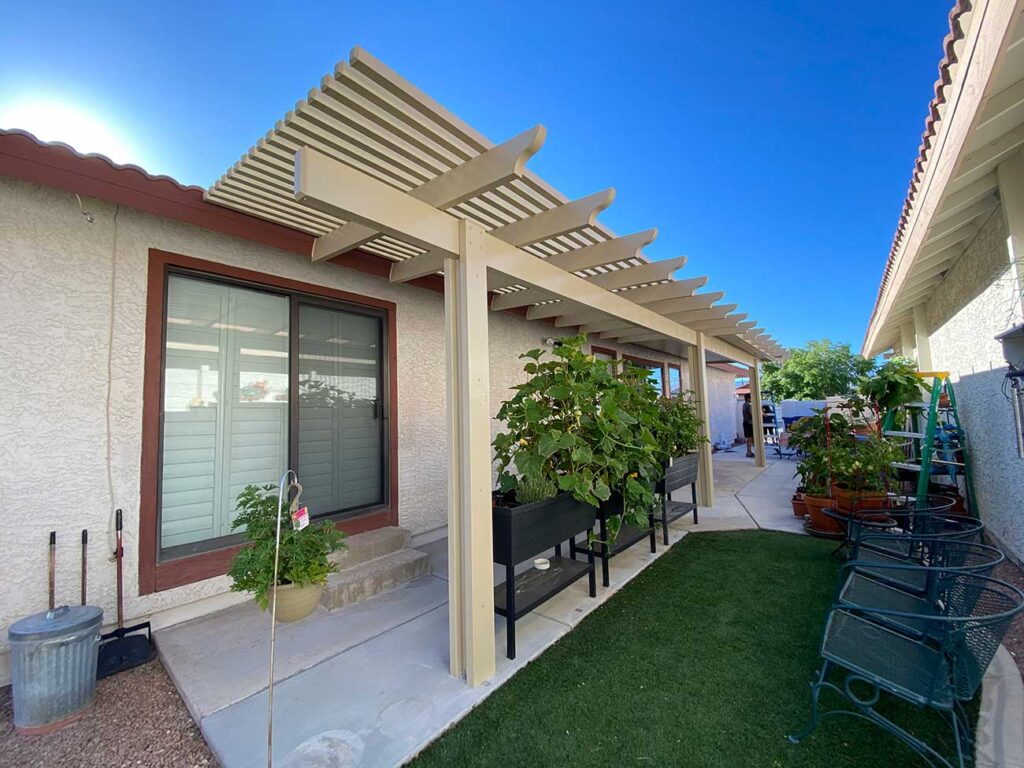
The Complete Patio Installation Process: From Backyard Vision to Finished Outdoor Living Space
Palatial Patio Installation Process
A patio can completely transform the way homeowners use and enjoy their outdoor space. Whether it’s creating a shaded entertainment area, building a relaxing backyard retreat, or increasing the value of a property, a professionally installed patio adds both beauty and functionality to a home.
But many homeowners don’t fully understand what goes into the patio installation process.
From the initial design consultation and material selection to site preparation, structural installation, and finishing touches, every stage plays an important role in creating a patio that is durable, attractive, and built to last.
A properly installed patio is much more than simply pouring concrete or adding a cover. It requires planning, precision, quality craftsmanship, and a strong understanding of both design and structural integrity.
This guide walks through the complete patio installation process step by step, helping homeowners understand what to expect when transforming their outdoor space into a functional and visually appealing extension of their home.
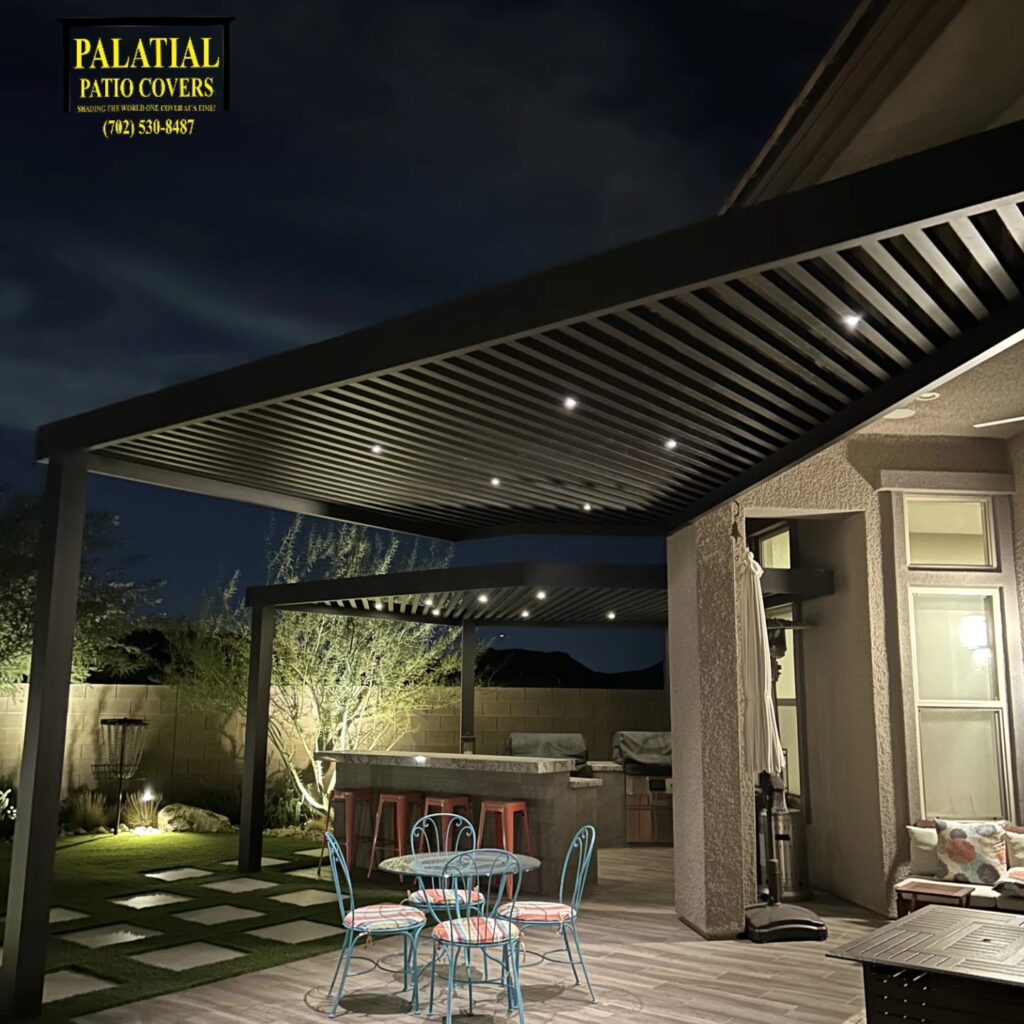
Why Patios Have Become So Popular
Outdoor living spaces have become one of the most sought-after home improvements in recent years.
Homeowners increasingly want outdoor areas where they can:
- Relax with family
- Host gatherings
- Enjoy outdoor dining
- Escape indoor spaces
- Increase usable square footage
A professionally installed patio creates an outdoor environment that feels comfortable, functional, and inviting.
Patios can also:
- Improve curb appeal
- Increase property value
- Create shaded outdoor areas
- Reduce heat exposure
- Enhance backyard aesthetics
For homes in warmer climates especially, patios become essential for comfortable outdoor living.
Step 1: The Initial Consultation
Every successful patio installation begins with a consultation.
This is where homeowners discuss:
- Their goals
- Design ideas
- Budget
- Patio size
- Desired features
- Material preferences
The consultation allows contractors to understand how the homeowner plans to use the space.
Some homeowners may want:
- Outdoor entertainment areas
- Covered patios
- Poolside seating spaces
- Outdoor kitchens
- Simple relaxation areas
Others may prioritize:
- Shade coverage
- Low maintenance
- Modern design
- Family-friendly layouts
During this stage, measurements are taken and the existing property layout is evaluated.
Evaluating the Outdoor Space
Palatial Patio Installation Process
Every yard is different, which means no two patio installations are exactly the same.
Before installation begins, contractors evaluate:
- Ground conditions
- Drainage
- Slope and grading
- Existing landscaping
- Accessibility
- Sun exposure
- Structural requirements
Proper planning is critical because issues like poor drainage or uneven surfaces can create long-term problems if not addressed early.
Site evaluation helps ensure the finished patio is:
- Safe
- Durable
- Functional
- Properly positioned
Step 2: Designing the Patio
Once the property has been evaluated, the design process begins.
This is where homeowners choose:
- Patio shape
- Materials
- Colors
- Textures
- Layout
- Additional features
Patio designs can range from simple concrete slabs to elaborate outdoor living spaces with multiple integrated elements.
Popular patio styles include:
- Concrete patios
- Paver patios
- Covered patios
- Pergolas
- Decorative patios
- Outdoor entertainment spaces
The design phase allows homeowners to customize the space to match both their lifestyle and the style of their home.
Choosing the Right Patio Materials
Palatial Patio Installation Process
Material selection is one of the most important parts of the installation process.
Different materials offer different benefits in terms of:
- Appearance
- Durability
- Maintenance
- Cost
- Climate performance
Concrete Patios
Concrete remains one of the most popular patio materials because it is:
- Durable
- Affordable
- Versatile
- Low maintenance
Concrete patios can also be customized with:
- Stamped finishes
- Decorative textures
- Color enhancements
- Modern designs
Paver Patios
Pavers provide a more decorative and upscale appearance.
Benefits of pavers include:
- Elegant aesthetics
- Easy repairs
- Design flexibility
- Strong durability
Pavers are especially popular for luxury outdoor living spaces.
Natural Stone Patios
Natural stone creates a timeless and high-end look.
Stone patios are valued for:
- Unique textures
- Natural beauty
- Premium appearance
However, they may require more maintenance and a higher budget.
Step 3: Permits and Planning
Depending on the patio design and local regulations, permits may be required before construction begins.
This is especially true for:
- Covered patios
- Electrical additions
- Large structures
- Attached patio systems
Professional patio installers typically handle:
- Permit applications
- Code compliance
- Structural planning
- HOA approvals if necessary
This helps ensure the project meets local building requirements and avoids future issues.
Step 4: Site Preparation
Once planning is complete, the physical preparation process begins.
Site preparation is one of the most important stages because it creates the foundation for the entire patio.
Preparation may include:
- Clearing debris
- Removing old landscaping
- Demolishing existing concrete
- Excavating soil
- Leveling the ground
- Compacting the base
Proper site preparation helps prevent:
- Uneven settling
- Drainage problems
- Cracking
- Structural instability
Skipping or rushing this stage can lead to serious long-term issues.
Creating a Stable Foundation
Palatial Patio Installation Process
A strong patio requires a stable base underneath the surface materials.
Contractors often install:
- Gravel bases
- Compacted soil layers
- Sand bedding
- Reinforcement materials
This foundation helps support the patio over time while minimizing shifting and movement.
Drainage planning also plays a major role during this stage.
Without proper drainage, water can collect around the patio and damage both the structure and surrounding landscaping.
Step 5: Framing and Layout
For covered patios or elevated structures, framing may be installed before surface work begins.
Framing establishes:
- Structural support
- Layout accuracy
- Roof attachment points
- Overall shape and alignment
Precision is extremely important during this stage to ensure the patio remains level and structurally sound.
For concrete or paver patios, layout markings help define:
- Edges
- Dimensions
- Elevation changes
- Design patterns
Step 6: Installing the Patio Surface
Once preparation and layout are complete, the main patio surface installation begins.
Concrete Installation
For concrete patios, contractors:
- Pour the concrete
- Spread and level the surface
- Smooth finishes
- Apply textures if desired
Stamped or decorative concrete may also be added during this phase.
After pouring, concrete must cure properly to achieve maximum strength.
Paver Installation
Paver patios require careful placement of each individual paver.
Contractors:
- Lay pavers in selected patterns
- Adjust spacing
- Compact the surface
- Fill joints with sand
Precision is essential for creating a clean and professional appearance.
Step 7: Installing Patio Covers & Shade Structures
Many homeowners choose to add patio covers to improve comfort and usability.
Covered patios provide:
- Shade
- UV protection
- Cooler temperatures
- Weather protection
Popular patio cover options include:
- Aluminum covers
- Insulated patio covers
- Pergolas
- Lattice covers
- Solid roof structures
Patio covers significantly improve outdoor comfort, especially in hot climates.
Electrical & Outdoor Features
Palatial Patio Installation Process
Modern patios often include additional outdoor living features such as:
- Ceiling fans
- Recessed lighting
- Outdoor speakers
- TVs
- Fire pits
- Outdoor kitchens
Electrical work is usually completed during or immediately after structural installation.
These additions help transform patios into true outdoor living rooms.
Step 8: Finishing Touches
Once the patio structure is complete, finishing details help bring the project together.
Finishing work may include:
- Decorative trim
- Surface sealing
- Landscape integration
- Cleanup
- Final inspections
Contractors also ensure:
- Proper drainage
- Structural stability
- Surface quality
- Clean installation
This stage helps ensure the finished patio looks polished and professional.
Landscaping Around the Patio
Palatial Patio Installation Process
Many homeowners enhance their new patio with surrounding landscaping improvements.
This may include:
- Decorative rock
- Gravel pathways
- Desert landscaping
- Plants and shrubs
- Outdoor lighting
Proper landscaping helps blend the patio naturally into the rest of the backyard design.
The Importance of Quality Installation
A patio is a long-term investment.
Poor installation can lead to:
- Cracks
- Uneven surfaces
- Drainage issues
- Structural problems
- Premature wear
Professional installation helps ensure the patio remains durable and attractive for many years.
Experienced installers understand:
- Soil conditions
- Structural support
- Material performance
- Climate considerations
This expertise makes a major difference in the long-term quality of the finished project.
Common Patio Installation Mistakes
Palatial Patio Installation Process
Homeowners sometimes attempt DIY patio projects without fully understanding the complexity involved.
Common mistakes include:
- Poor drainage planning
- Weak foundations
- Incorrect leveling
- Low-quality materials
- Improper curing
These problems can become expensive to repair later.
Professional contractors help avoid these issues through proper planning and skilled installation techniques.
How Long Patio Installation Takes
Every patio project is different.
Installation timelines depend on factors such as:
- Patio size
- Material selection
- Weather conditions
- Structural complexity
- Additional features
Simple patios may take only a few days, while larger custom projects can take significantly longer.
Proper preparation and communication help keep projects running smoothly.
Benefits of Investing in a Patio
Palatial Patio Installation Process
A professionally installed patio offers both immediate and long-term benefits.
Homeowners gain:
- More functional outdoor space
- Improved home appearance
- Increased property value
- Better entertainment areas
- Greater outdoor comfort
Patios also help homeowners enjoy their property more fully year-round.
Outdoor Living Continues to Grow in Popularity
Today’s homeowners increasingly view outdoor spaces as extensions of the home.
Instead of unused backyards, many people now want:
- Outdoor dining areas
- Comfortable shaded patios
- Entertainment zones
- Relaxation spaces
Patios help bridge the gap between indoor comfort and outdoor living.
Why Professional Patio Installation Matters
Professional patio installation combines:
- Design expertise
- Structural knowledge
- Proper preparation
- Skilled craftsmanship
Experienced installers help ensure:
- Long-lasting durability
- Safe construction
- Clean finishes
- Efficient project completion
This helps homeowners feel confident in the quality of their investment.
The Patio Installation Process From Start to Finish
Palatial Patio Installation Process
From the initial consultation to the final cleanup, every stage of patio installation contributes to the finished result.
A well-designed patio creates:
- Better outdoor functionality
- Enhanced comfort
- Improved curb appeal
- Long-term property value
Whether it’s a simple backyard patio or a fully customized outdoor living area, the installation process requires careful planning, quality materials, and professional craftsmanship.
When completed properly, a patio becomes more than just an outdoor surface—it becomes one of the most enjoyable and valuable parts of a home.